A life in scholarship
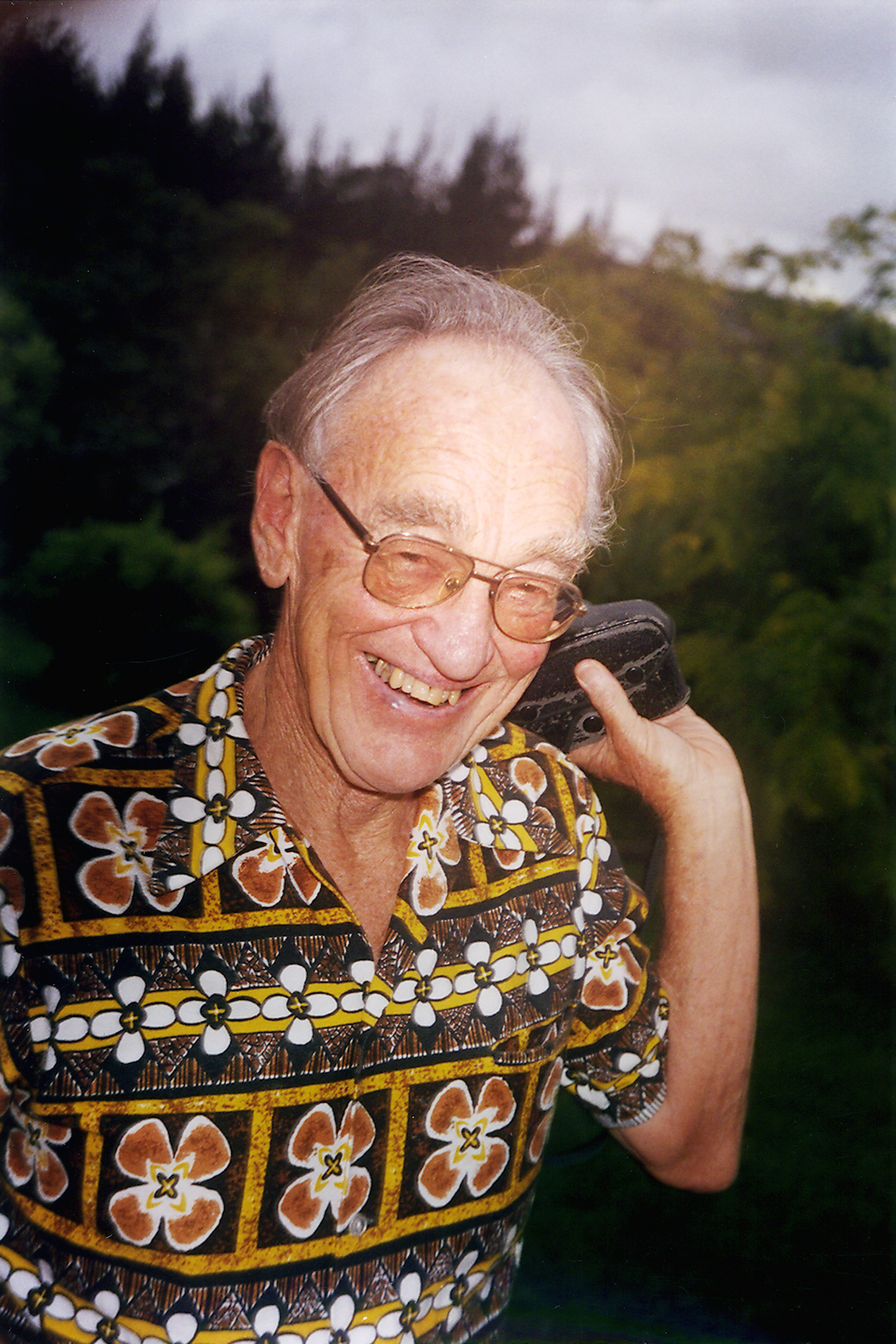
David Roy Simmons — Rawiri Te Puru Terehou — was one of New Zealand’s foremost ethnologists and a dedicated scholar of Māori culture, art, and history. Born in Auckland on 6 September 1930, he was educated at Sacred Heart College before training at Auckland Teachers’ College (1948–1950) and studying at Auckland University College and, in Wellington, Victoria University College (1951–1953). He then spent several years in France — attending the École du Louvre in Paris in 1954, graduating with a Diplôme Supérieur des Études de Civilisation Française from the Sorbonne in 1955, and earning a Diplôme des Études Celtiques from the Université de Rennes in 1957. Returning to New Zealand, he completed a BA at Auckland University College in 1958 and an MA from the University of Auckland in 1960.
Dismantling the Great Fleet myth
His most enduring scholarly achievement was the systematic dismantling of Percy Smith’s so-called “Great Fleet” hypothesis — the 19th-century narrative claiming that seven canoes departed Tahiti simultaneously in 1350 CE to settle New Zealand. Simmons first challenged the theory in his 1963 MA thesis, developed the argument in a landmark 1969 article, and set it out definitively in his 504-page study The Great New Zealand Myth (1976). He demonstrated that Smith had manipulated Māori tradition and fabricated a coherent story where none existed, fundamentally revising the understanding of New Zealand prehistory.
The museum world
Simmons built his career across two great institutions. He began as Keeper in Anthropology at the Otago Museum in Dunedin from 1959, where he undertook early research into Moriori material culture and the Rakau Momori carvings. In 1968 he moved to the Auckland War Memorial Museum as Ethnologist, and in 1972 was appointed Assistant Director — a post he held until his retirement in 1986. Across more than two decades he reshaped scholarly understanding of Māori migration, tattooing, carving, religion, and place names, and served on the councils of the Otago Institute, the Polynesian Society (1979–1985), and the New Zealand Archaeological Association.
Te Māori (1984–1987)
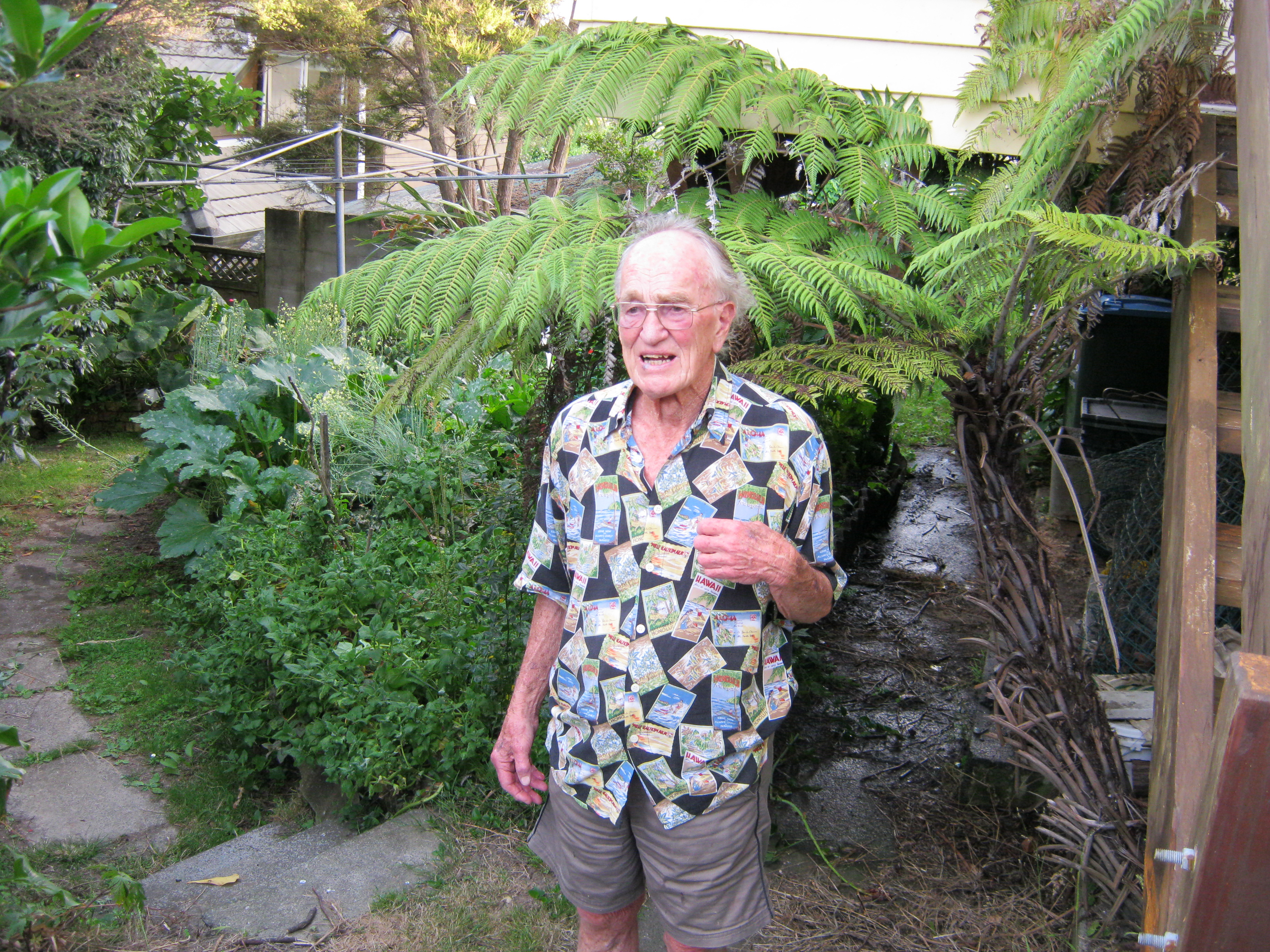
Among the crowning achievements of his career was co-curating the celebrated international exhibition Te Maori: Te Hokinga Mai (1984–1987) alongside Douglas Newton of the Metropolitan Museum of Art and Hirini Moko Mead. The exhibition toured the United States before returning home to New Zealand, bringing Māori taonga to world audiences and marking a turning point in the global recognition of Māori art and culture.
His contribution to scholarship was recognised with the Polynesian Society’s Elsdon Best Memorial Medal (1978) and his appointment as a Member of the Order of the British Empire (MBE) in the 1985 Queen’s Birthday Honours, for services to ethnology and the Māori people. In 2013 the Auckland War Memorial Museum awarded him the Auckland Museum Medal as “an outstanding scholar and student of Māori art and culture” and named him an Associate Emeritus.
A long-time resident of Remuera, Auckland, David Roy Simmons died on 30 November 2015, aged 85, and is buried at Purewa Cemetery. Through his books, his curatorial work, and his decades of museum scholarship, he left a lasting legacy in the study of Māori material culture — correcting the historical record, deepening the understanding of Māori art and tradition, and helping bring that heritage to a global audience.
Education
| Sacred Heart College | Auckland | Secondary |
| Auckland Teachers' College | Auckland | 1948–1950 (graduated 1950) |
| Auckland University College | Auckland | 1949 |
| Victoria University College | Wellington | 1951–1953 |
| École du Louvre | Paris | 1954 |
| Sorbonne — Diplôme Supérieur des Études de Civilisation Française | Paris | Graduated 1955 |
| Université de Rennes — Diplôme des Études Celtiques | Brittany | Graduated 1957 |
| University College of Auckland — BA | Auckland | Graduated 1958 |
| University of Auckland — MA | Auckland | Graduated 1960 |
Key career appointments
| 1959 | Appointed Keeper in Anthropology, Otago Museum, Dunedin |
| 1968 | Appointed Ethnologist, Auckland Institute and Museum |
| 1972 | Appointed Assistant Director, Auckland War Memorial Museum |
| 1984 | Co-curated Te Maori international touring exhibition |
| 1986 | Retired from Auckland War Memorial Museum |
| 1987 | Te Maori exhibition returned to New Zealand — 'Te Hokinga Mai' |
Awards & honours
| 1978 | Elsdon Best Memorial Medal — Polynesian Society. For outstanding contribution to Polynesian studies. |
| 1985 | Member of the Order of the British Empire (MBE) — Queen's Birthday Honours. For services to ethnology and the Māori people. |
| 2013 | Auckland Museum Medal — Auckland War Memorial Museum. Awarded to 'an outstanding scholar and student of Māori art and culture'. |
| 2013 | Associate Emeritus — Auckland War Memorial Museum. Appointed in recognition of his lifelong contribution to the museum. |