The Māori Hei-tiki
With Henry Devenish Skinner
A scholarly study of the iconic Māori hei-tiki pendant — its forms, iconography, and cultural significance. Includes 40 black-and-white photographs and colour illustrations.
Over five decades, David Roy Simmons produced a body of scholarship that reshaped the study of Māori art, history, tattooing, carving, and place names. The works are grouped below by category, ordered by year.
With Henry Devenish Skinner
A scholarly study of the iconic Māori hei-tiki pendant — its forms, iconography, and cultural significance. Includes 40 black-and-white photographs and colour illustrations.
Simmons' most influential work. A 504-page systematic dismantling of Percy Smith's 'Great Fleet' hypothesis — the idea that seven canoes departed Tahiti simultaneously in 1350 CE. Drawing on his 1963 MA thesis, Simmons showed this narrative had no basis in authentic Māori tradition and was largely a 19th-century invention.
With Brian Brake (photos), James McNeish (conversations)
A richly illustrated survey of Pacific art featuring 174 illustrations, 84 in colour. Combines Simmons' scholarly text with Brian Brake's photography and James McNeish's conversations.
A comprehensive 421-page catalogue documenting Māori artefacts held in Canadian and American museum collections — an invaluable reference for scholars and repatriation efforts.
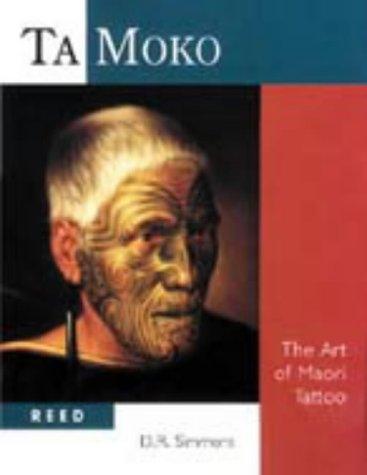
The first comprehensive study of Māori moko — examining historical development, tribal variations, design principles, and social significance. Draws on records from Cook, de Surville, Earle, Angas, Robley, Lindauer, and Goldie. Regarded as outstanding scholarship in the field.
Part of the international Iconography of Religions series (Section II, Polynesia). A scholarly analysis of visual symbolism within Māori religious traditions.
Documents Māori traditions, place names, and history of the Auckland isthmus — a foundational resource for understanding the deep Māori heritage of the region.
With Ko Te Riria
Explores moko whakairo (carved skin designs) with colour and black-and-white illustrations, documenting tribal traditions and the social meaning of Māori tattooing.
An examination of the relationship between the United Tribes of New Zealand and the British Crown, drawing on Simmons' deep knowledge of Māori history and political traditions.
The first work to systematically analyse Māori carving styles by tribal area. Discusses mythological context, symbolism, and the distinctive carving traditions of each tribe, with colour and black-and-white illustrations.
Examines the pare — the carved threshold above the doorway of the meeting house — as both an ancestor figure and a representation of tapu, connecting the worlds inside and outside.
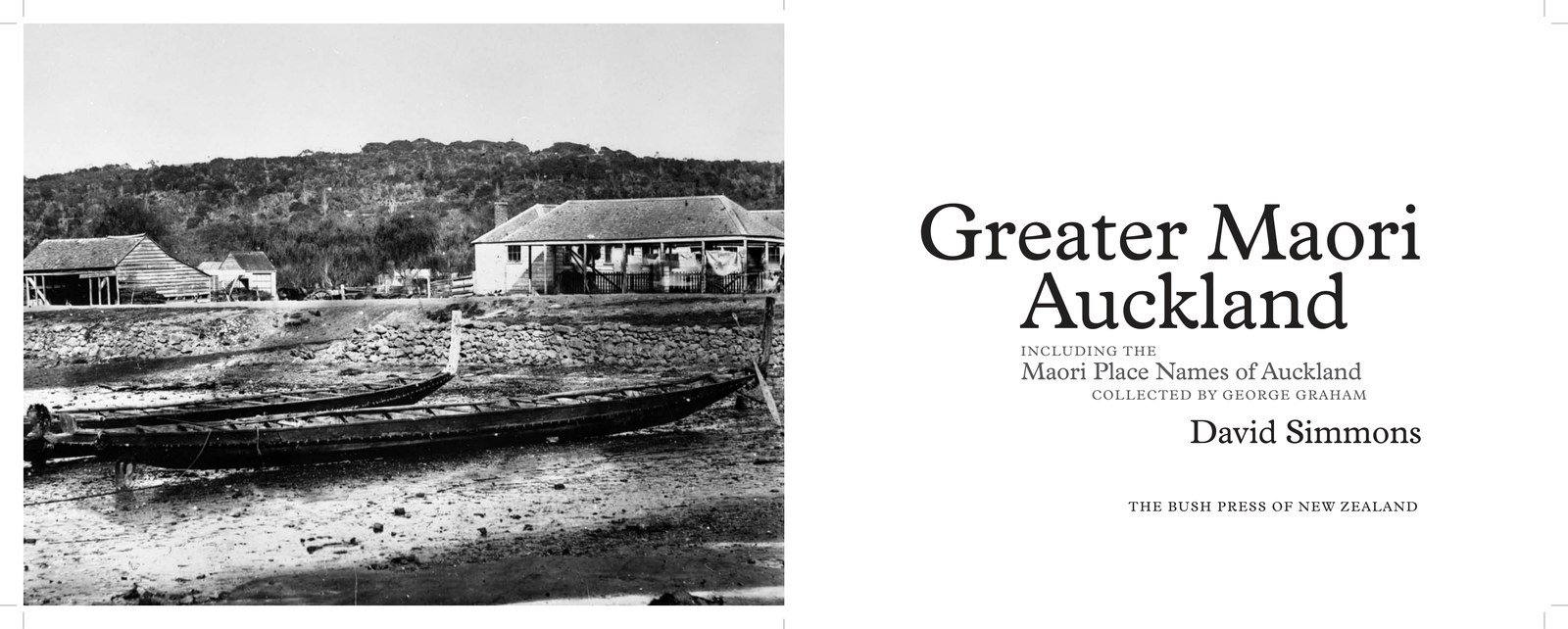
An expanded edition of Māori Auckland incorporating George Graham's manuscript materials from the Auckland Museum library. Extends coverage to Manukau, Waikato, Kaipara, Mahurangi coasts, and the Hauraki Gulf islands.
Co-curated alongside Douglas Newton (Metropolitan Museum of Art) and Hirini Moko Mead, this landmark international exhibition brought Māori taonga to audiences across the United States before returning home to New Zealand in 1987. It marked a turning point in the global recognition of Māori art and culture.
Publication details and page counts drawn from the National Library of New Zealand catalogue, Auckland War Memorial Museum archival records, and published obituaries. See the References page for full source list.